
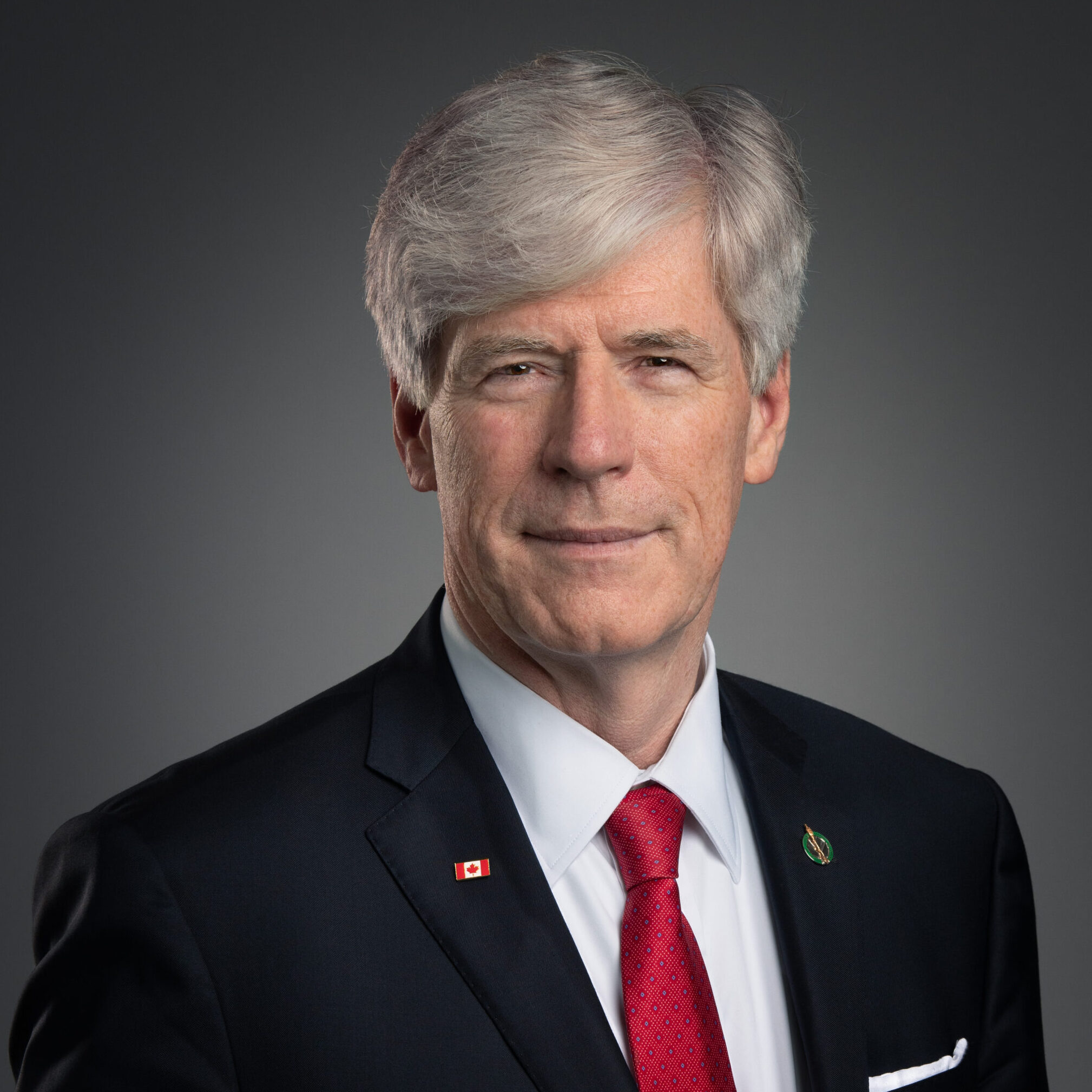
Tim Hodgson
Minister of Energy and Natural Resources
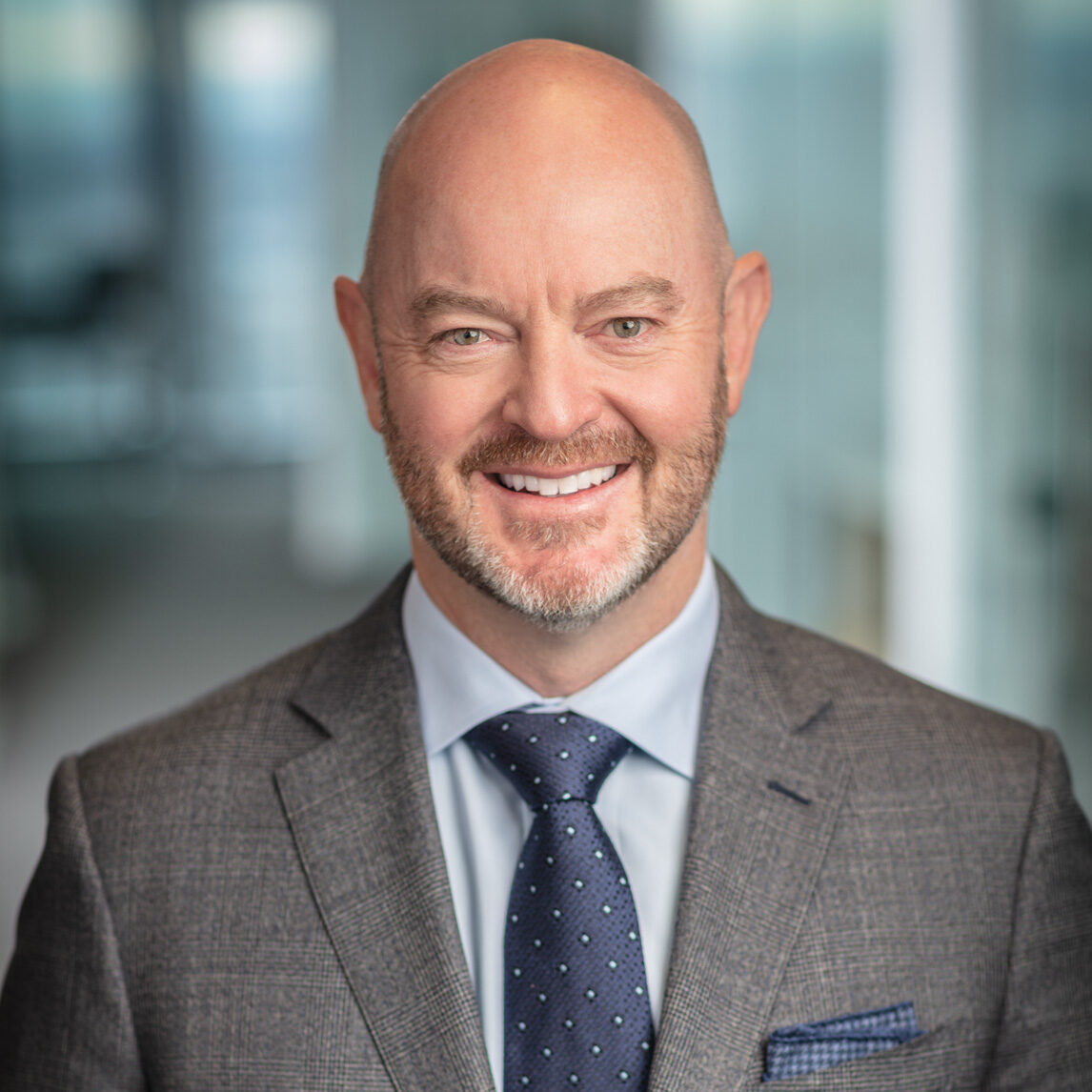
Leigh Curyer
Founder & CEO, NexGen Energy
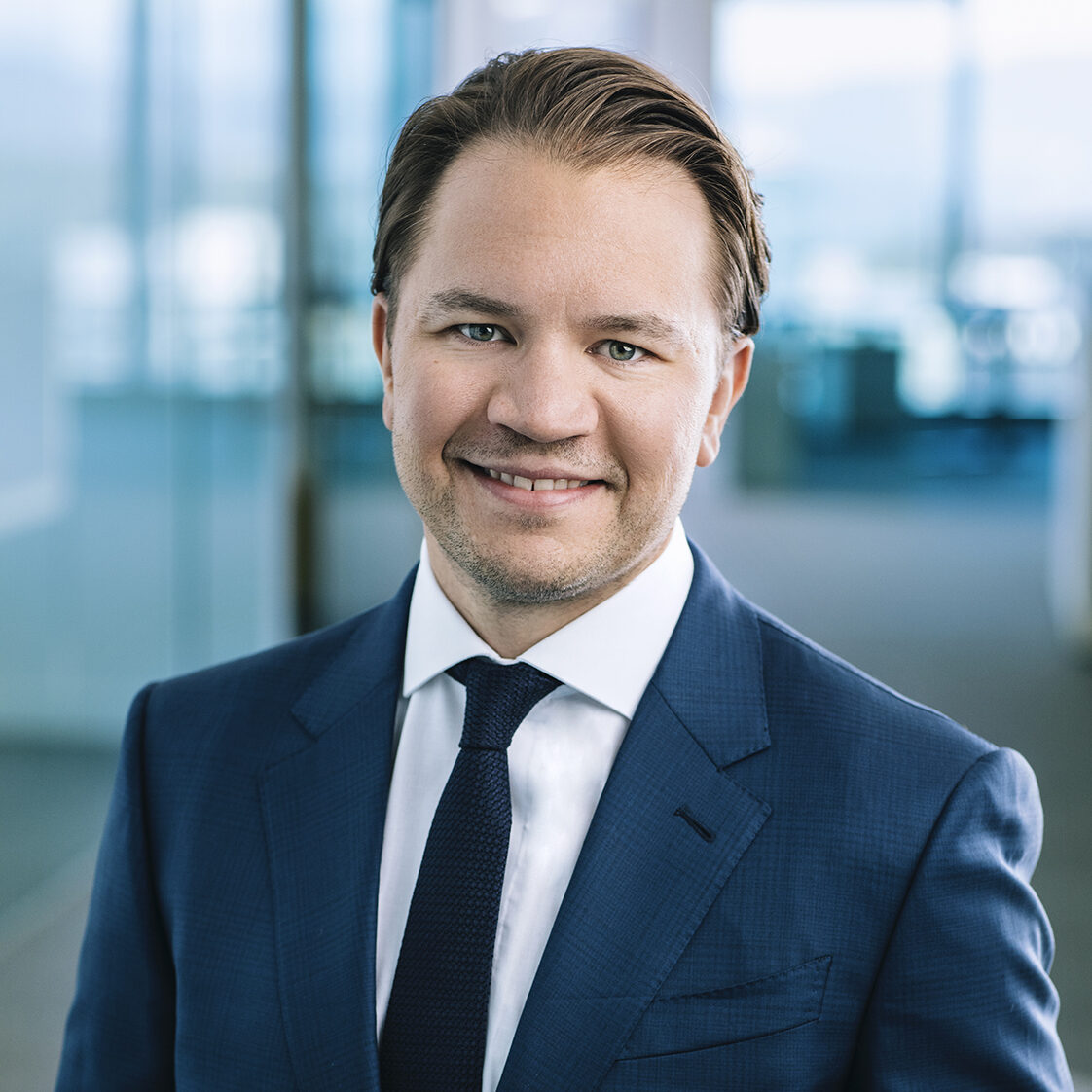
Travis McPherson
Chief Commercial Officer, NexGen Energy
As nuclear capacity expands globally, constrained uranium supply is creating an opportunity for Canada to help meet growing demand.
As nuclear capacity expands globally, constrained uranium supply is creating a new opportunity for Canada to help meet growing demand. Today, approximately 400 gigawatts of nuclear generating capacity supplies just under 10 per cent of the world’s electricity, while more than 88 gigawatts of new capacity are under construction. As of 2026, 38 countries have pledged to triple global nuclear capacity by 2050.
But expanding nuclear capacity requires sufficient uranium to fuel it. The market already faces an estimated annual supply deficit of approximately 60 million pounds, with existing mines depleting and new supply struggling to keep pace.
The challenge is time. New uranium mines take, on average, 15 to 20 years to progress from discovery through development and into production. The supply needed in the 2030s will therefore depend heavily on projects already advancing today.
Canada’s opportunity
Canada is uniquely positioned to help meet this need. As the world’s second-largest uranium producer, it has world-class resources, technical expertise, stable regulatory institutions, government and Indigenous support, and strong relationships with allied trading partners. Canada’s 2026 Nuclear Energy Strategy recognizes this opportunity, with a dedicated pillar focused on expanding uranium production and nuclear fuel opportunities.
The next decade in uranium won’t be defined by demand. Demand is already here. The question is who can deliver new supply.
“Every reactor needs fuel and Canada’s fuel potential is unmatched. Thanks to the Athabasca Basin in Saskatchewan, home to the world’s highest-grade uranium deposits. We’ve approved the first new uranium mines in 20 years this winter, and with… the Rook I Project set for construction this summer, our strategy will help secure supply at home and double our uranium exports by 2035,” says Tim Hodgson, the Minister of Energy and Natural Resources.
But resources alone don’t guarantee supply. Uranium projects require investment, regulatory review, technical expertise, community support, and years of development. Realizing Canada’s opportunity means turning its resources into reliable production and secure, long-term uranium supply for Canada and its allies.
From resource to production
Moving a uranium project from discovery to production requires years of work before the first pound is produced. Engineering, environmental review, regulatory assessment, Indigenous partnerships, investment, procurement, and construction planning must advance in sequence, with each stage building on the last.
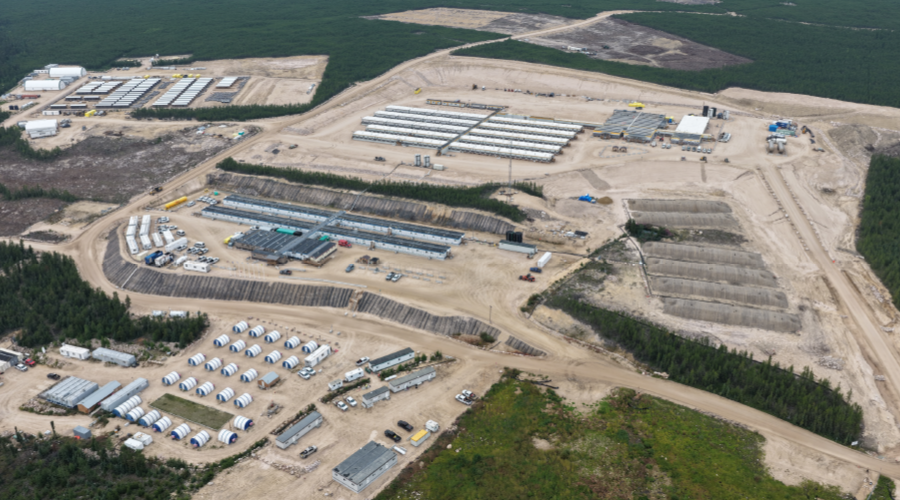
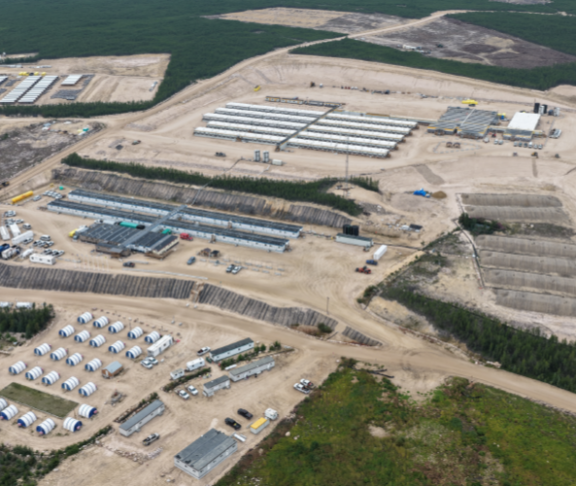
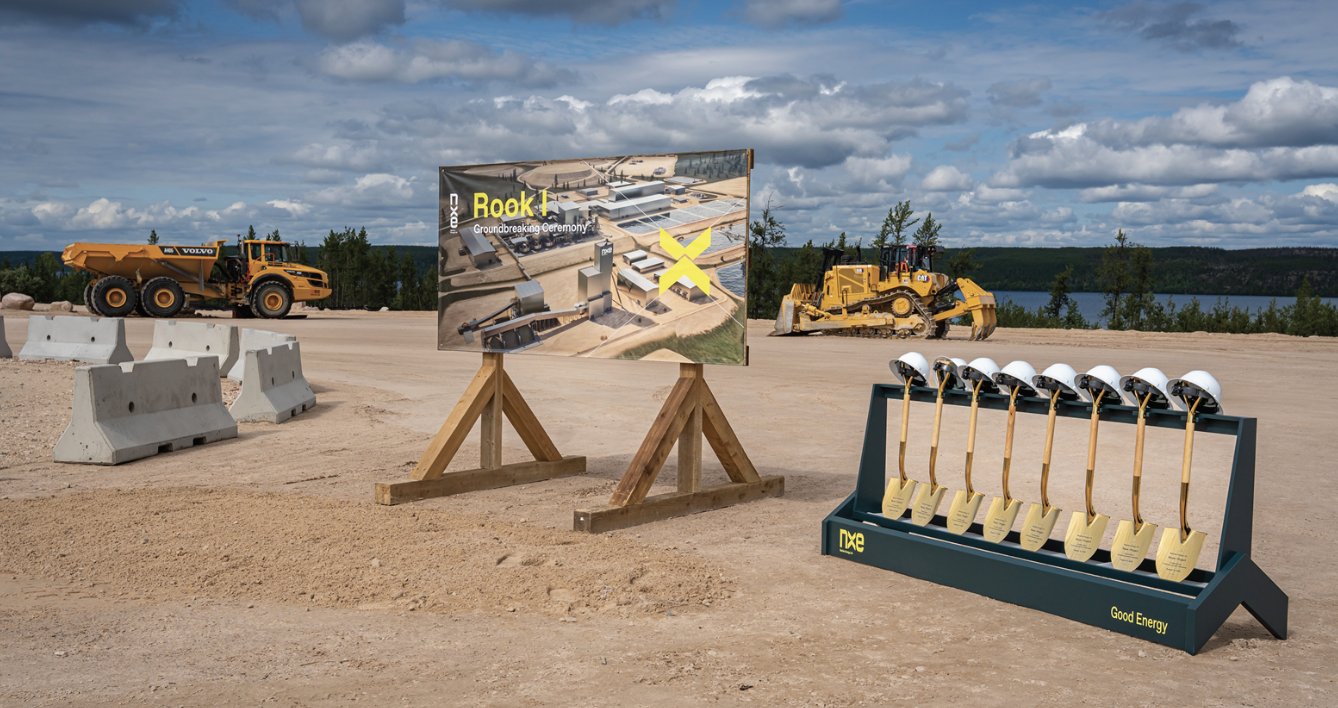
That transition is underway at NexGen Energy’s Rook I Project in Northern Saskatchewan. Following more than a decade of development, Rook I broke ground in June and is four years away from being the Western world’s largest producer, a mere undergrad degree away.
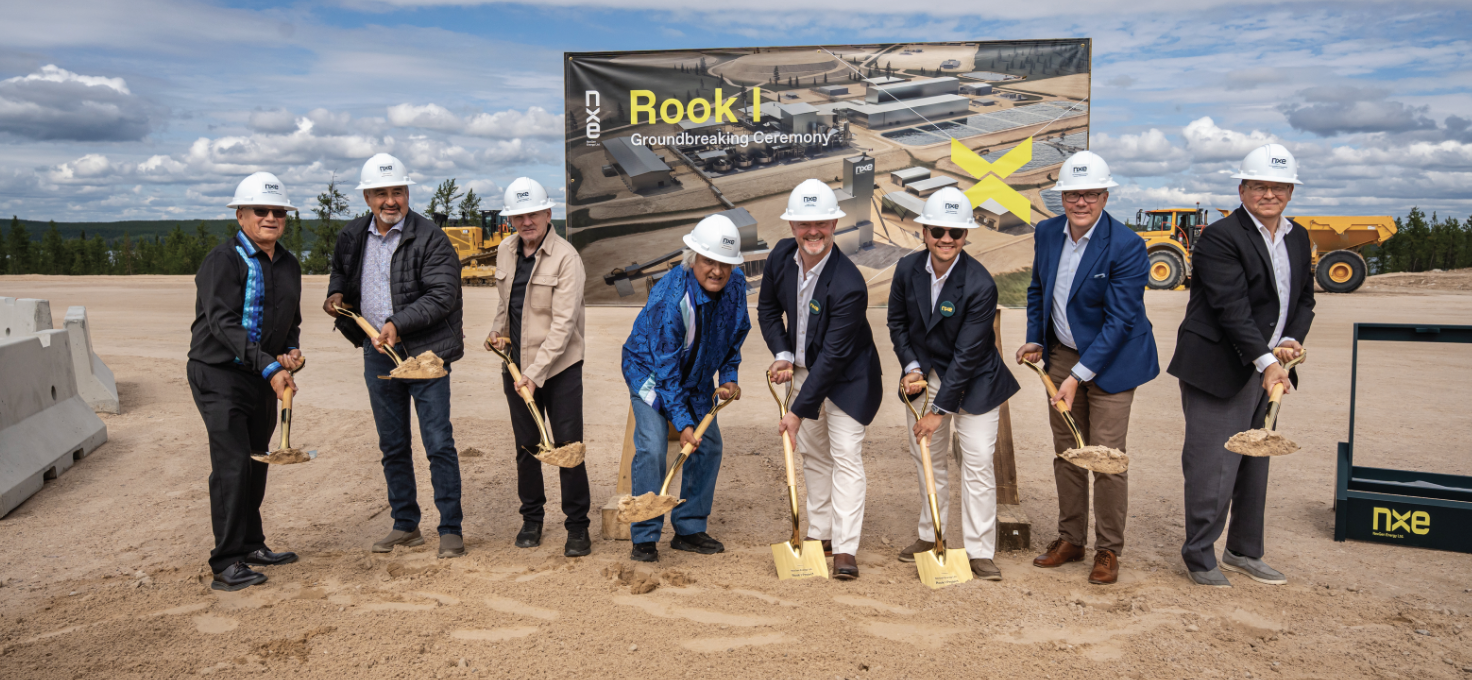
The Project has a defined four-year construction pathway, with shaft pre-sinking planned for 2027, main shaft sinking in 2028, underground development in 2029, and first ore targeted for Q3 2030.
At full production, Rook I is designed to produce approximately 30 million pounds of uranium annually, representing the most significant new Canadian supply just as the global uranium market tightens.
“We are now t-minus four years to the most important project in Canada in resources, and arguably the most important energy project in the world. Once in production, the project will provide over 50 per cent of the Western world’s uranium, and that comes at a time when uranium is front and centre,” says Travis McPherson, the Chief Commercial Officer of NexGen Energy.
Strong community partnerships and support are the key to success
Technical readiness is only one part of delivering new uranium supply. Major projects also depend on strong community partnerships and a skilled local workforce.
In Northern Saskatchewan, nearly 700 participants have completed training programs since 2022, building skills aligned with opportunities emerging alongside construction. The approach is to build the workforce “with the communities, not around them,” which has been key to the project’s success and sustainability.
We are now t-minus four years to the most important project in Canada in resources, and arguably the most important energy project in the world. Once in production, the project will provide over 50 per cent of the Western world’s uranium, and that comes at a time when uranium is front and centre.
These relationships are fundamental to project execution. Rook I has Benefits Agreements in place with all four Indigenous communities in the project’s local communities. That participation is already visible in construction, with a Clearwater River Dene Nation-partnered business crushing and stockpiling more than 575,000 tonnes of aggregate and supporting up to 50 local jobs. In addition, over 94 per cent of procurement was from the local priority area in 2025, maximizing local opportunity. Young community members are also gaining direct experience in the project’s technical exploration activities, building skills and exposure to potential long-term careers at Rook I.
Responsible production
New projects also have an opportunity to incorporate environmental and technological improvements and innovations from the outset rather than retrofit them later.
At Rook I, 100 per cent of tailings are designed to be stored underground, eliminating the need for a surface tailings dam. Automation, remote operations, sitewide 5G connectivity, and real-time data systems are also being incorporated to improve safety, efficiency, and reliability.
The execution test
“The next decade in uranium won’t be defined by demand. Demand is already here. Nuclear capacity is expanding while existing uranium supply remains constrained. The question is who can deliver new supply, at scale, when it’s needed,” says Leigh Curyer, the Founder and CEO of NexGen Energy.
Realizing that opportunity means turning resources into responsibly developed, reliable production while building the workforce, partnerships, and infrastructure needed to sustain it. Just as importantly, it requires assembling the right leadership team and board, with the technical, operational, financial, and project development experience to navigate multiple stakeholders and the complexities of construction and delivery at scale.
For projects already moving through construction, like Rook I, everything from this point forward is about execution.
To learn more about Rook I and its pathway to production, visit nexgenenergy.ca.
